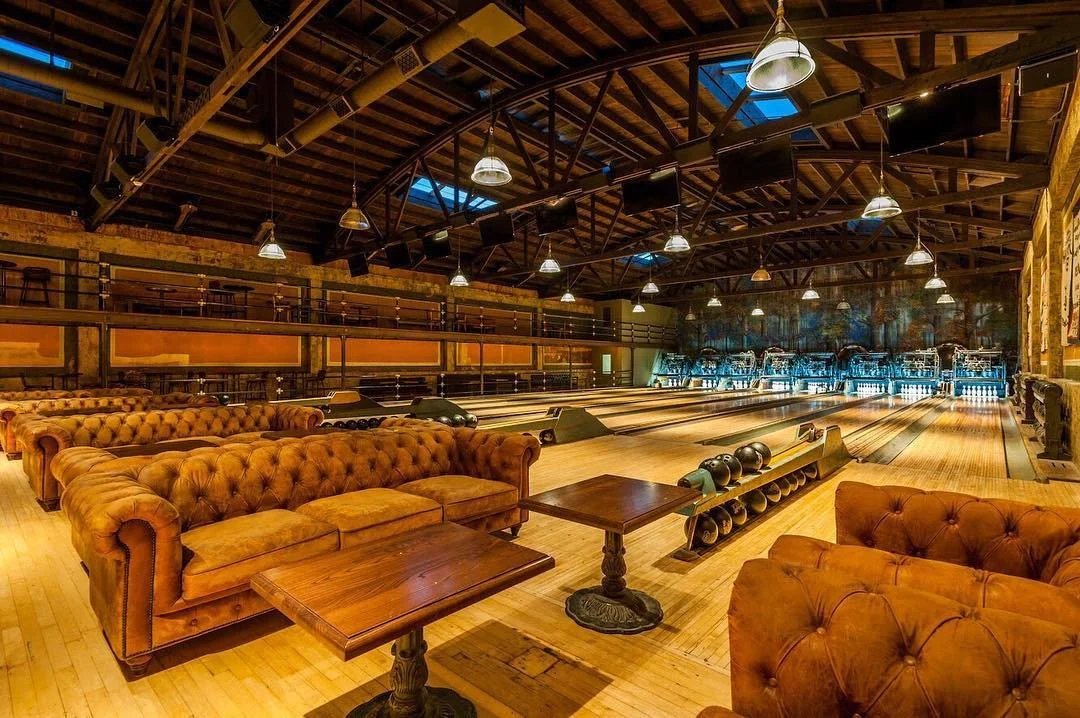
Couches and bowling lanes in a warm-lit space at Highland Park Bowl, Los Angeles.
You walk into a bowling bar thinking you’ll play a few rounds and keep score. But somewhere between the turns, the conversations, and the laughter, the food, the game stops being the point, and the experience takes over. Modern lanes rely on screens, bright lights, and automation, while a vintage bowling lane lets the game speak, through the soft roll of the ball, the crack of pins, original wood, and a space that feels lived-in rather than designed.
No one leaves talking about the tech. What stays with you are the conversations, the laughter after a bad shot, and how easy the connection felt. A vintage bowling alley isn’t just about bowling; it’s the whole vibe that shapes the experience. This blog explores why retro bowling alleys create more memorable bowling experiences than modern, tech-driven lanes.
What Modern Bowling Lanes Get Right and What They Miss
Modern lanes are built for ease. You don’t keep score or reset anything. The system handles names, turns, and scores, so the game keeps moving while you’re enjoying it. That convenience works, especially for fast-paced outings.
But it can also flatten the experience. When screens control the pace, the night can start to feel like the system is running the group, not the other way around. Bright lights, constant motion, and automated prompts pull away from conversation. The focus shifts from spending time together to keeping the game moving.
What Defines a Vintage Bowling Alley Experience
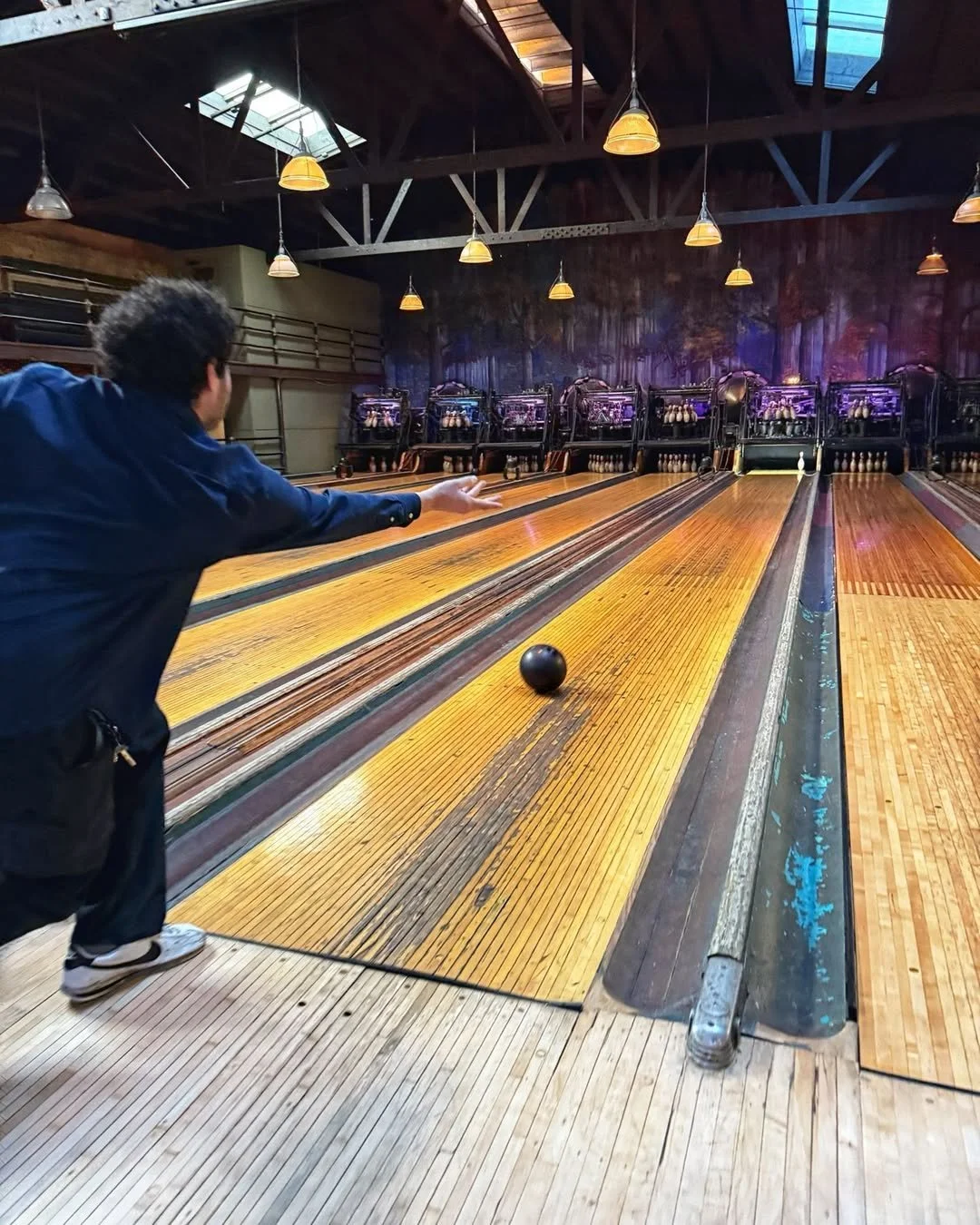
The bowling experience in historic bowling alleys feels different. You hear the ball roll before you look up, the pins land with a familiar crack, and for a moment, the whole room feels in sync. Nothing is rushing you.
It’s not flashy features doing the work; it’s the wood, the layout, and the slower rhythm that let people settle in. Conversations stretch naturally between turns, the game slows down, and somehow everyone’s still there longer than planned, not because they’re trying to but because the space allows it.
Te Role of Architecture, Materials, and Sound
Original wooden lanes create a deeper, warmer sound that makes every roll feel physical.
Softer lighting keeps the space calm instead of overstimulating.
Historic layouts and materials add texture and visual interest without distraction.
The room hums instead of shouting, but nothing competes for attention.
At Highland Park Bowl, a historic bowling alley in Los Angeles, you’ll notice each detail naturally without it trying too hard to grab your attention.
Why Atmosphere Creates Better Social Experiences
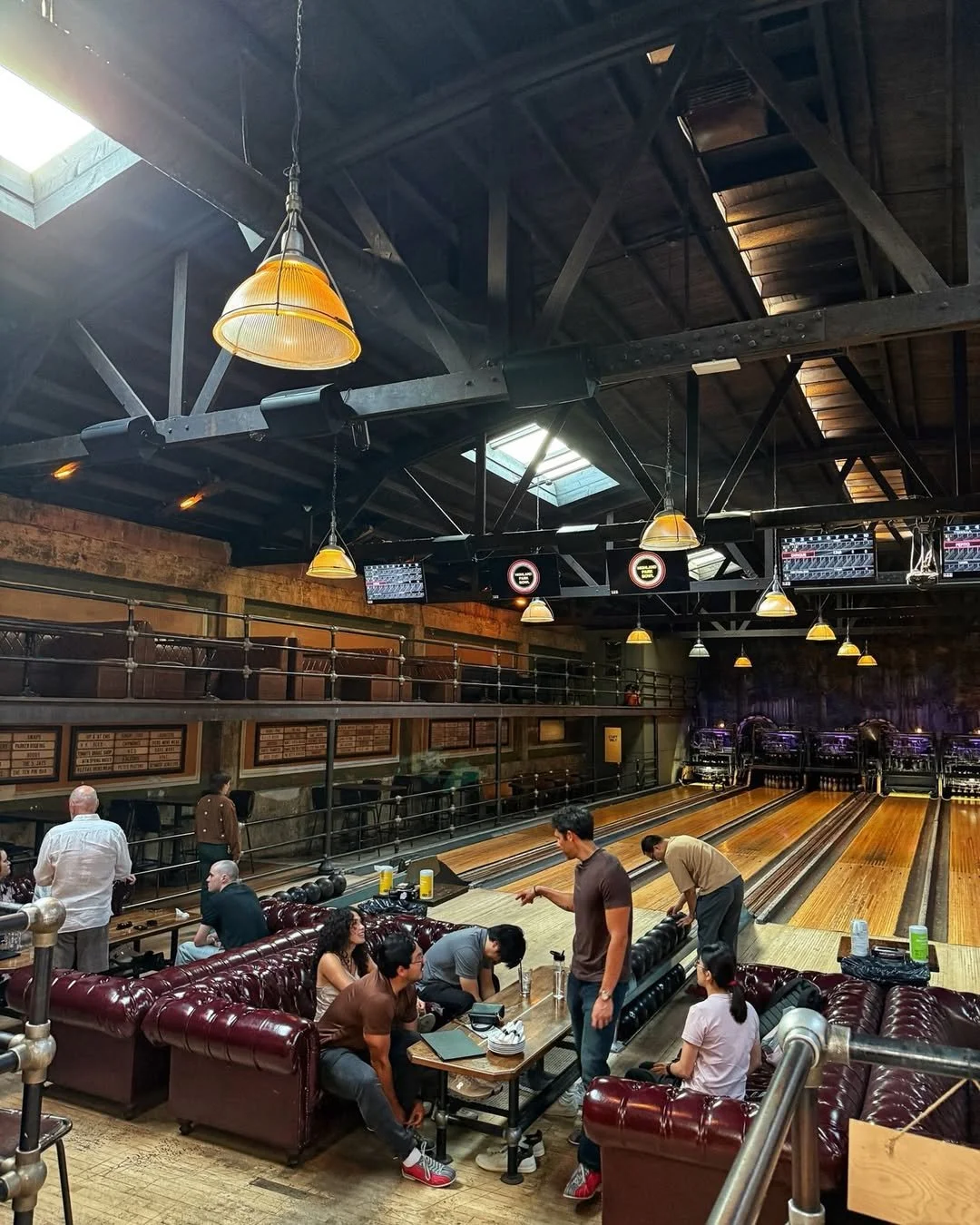
When a space feels comfortable and grounded, people slow down, and conversations don’t need effort. They continue between turns, pause without awkwardness, and pick back up easily. The night holds together without being pushed forward.
In vintage spaces, nothing pressures you to move faster. No bright screens, no countdown timers, no constant movement. You can take your time, miss a turn, pause mid-conversation, stay seated, enjoy food and drinks, and the experience doesn’t break. That ease is what makes the bowling experience feel social, not performative.
Retro Bowling Alleys Encourage Presence, Not Distraction
Modern bowling spaces are often filled with screens competing for attention. A retro bowling alley keeps the experience more analog, so focus stays on the game and the people around it. Without constant visual interruptions, reactions feel more natural and moments last longer.
Conversations feel more natural. You catch reactions, timing, and the small moments that usually slip by. The pace is slower by design; nothing is trying to speed you up, so the night moves steadily, giving people time to stay, talk, order drinks, share food, and actually be part of it.
Why Historic Spaces Feel More Meaningful Over Time
Some places feel new, others feel like they’ve lived through years of nights, and that’s what draws people in. Historic bowling alleys bear the weight of years, not shaped by passing trends or constant updates.
The history doesn’t need explaining; it’s felt in the space itself. When a place endures for decades and remains consistent, it builds trust. People return because they know what the experience will feel like, and that reliability becomes part of its appeal.
The Bowling Experience People Remember
Some bowling nights stay with you. Others fade quickly. The difference is rarely about features; it’s about the experience.
Memory Is Shaped by Feeling, Not Features
People remember how a place felt, its pace, sound, and mood more than the technology.
Scores fade, but shared reactions turn into stories later.
Vintage bowling experiences leave an impression beyond the night itself.
Simplicity and fewer distractions make moments easier to recall.
A vintage bowling experience is built around fun, laughter, and drinks, without a system rushing you through it.
FAQs About Vintage vs Modern Bowling Alleys
What makes a bowling alley “vintage”?
Original materials, preserved design, and a space that’s been preserved rather than rebuilt.
Are vintage bowling alleys still relevant today?
Yes. They offer a slower, more social experience that matches how people go out in Los Angeles now.
Do modern lanes offer a better bowling experience?
They’re more efficient, but not always more memorable.
Why do people seek out historic bowling alleys?
People seek out historic bowling alleys for the atmosphere, the character, and the experience, not just the game.
Why Atmosphere Will Always Outlast Technology
Modern lanes are fast, polished, and easy to step into. But they don’t always give the night something to hold onto. The atmosphere of a vintage bowling alley shapes how a space sounds, how people feel and connect, not the technology.
Technology changes. Character and history don’t. And that’s usually what people come back for.
If you’re looking for a bowling night that feels more social, more memorable, less rushed, and vintage, experience it for yourself at Highland Park Bowl.
