You push through the door, and the room folds around you. Wood lanes stretch out under warm lighting, worn smooth by nearly a century of games and celebrations. A ball rolls somewhere, laughter echoes across the room, and glasses clink between conversations. This isn't just another night out. It's an experience rooted in history.
As modern entertainment venues continue to evolve, more people are seeking places with authentic character. That's exactly what keeps a historic bowling alley in Los Angeles relevant today. Instead of chasing trends, these spaces preserve the craftsmanship, atmosphere, and community that have defined them for generations.
In this blog, we'll explore why historic bowling alleys still thrive, what made bowling's golden era memorable, how to spot an authentic vintage venue, and how to plan a perfect evening.
Why Historic Bowling Alleys Still Matter
Nostalgia carries real value in today's nightlife. In a city filled with new openings, a historic bowling alley offers something that can't be recreated overnight: authenticity.
Original wood lanes, vintage architecture, warm lighting, and decades of shared memories give these venues a personality that modern entertainment centers often struggle to match.
Bowling itself also encourages a slower, more social pace. Between frames, there's time to enjoy food, craft cocktails, and conversation, making historic bowling venues ideal for date nights, celebrations, and group outings.
What Made the Golden Age of Bowling So Memorable
During the early and mid-20th century, bowling became one of America's favorite social activities. It was affordable and welcoming, bringing together people of every age and background.
Neighborhood bowling alleys quickly became gathering places where leagues formed, families celebrated milestones, and friends met after work. Their warm interiors, wood lanes, and intimate layouts created an atmosphere that encouraged people to stay long after the final frame.
That sense of community continues to define many surviving historic bowling alleys today.
How to Spot a Truly Historic Bowling Alley
Not every venue with vintage décor is genuinely historic.
Look for original wood lanes, preserved architectural details, restored fixtures, and authentic craftsmanship. These elements tell the story of a building that has been carefully maintained rather than redesigned to imitate the past.
Historic bowling venues also tend to feel more intimate. Rather than focusing on dozens of lanes and large crowds, they prioritize atmosphere, conversation, and the overall experience.
Highland Park Bowl: Los Angeles' Oldest Bowling Alley
Opened in 1927, Highland Park Bowl is the oldest bowling alley in Los Angeles.
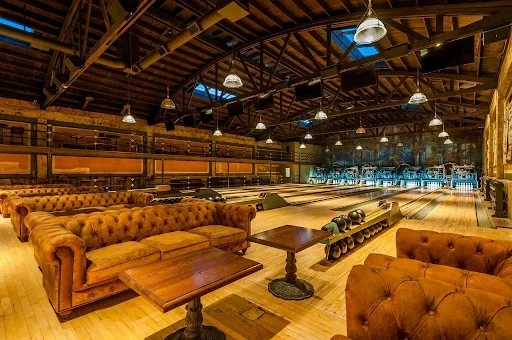
Its careful restoration preserved the building's original character while creating a welcoming destination for today's visitors. Eight restored wood lanes, handcrafted cocktails, seasonal food, and vintage architectural details make every visit feel connected to the venue's long history.
Rather than simply showcasing its past, Highland Park Bowl allows guests to become part of it.
Why Historic Venues Create Better Experiences
Historic spaces naturally encourage people to slow down.
Warm lighting, original materials, and intimate layouts create an atmosphere where conversation feels effortless. Add great food, handcrafted cocktails, and music, and bowling becomes just one part of a complete evening.
Whether you're planning a date night, a birthday, an anniversary, or a casual outing with friends, the setting often becomes the most memorable part of the experience.
Planning Your Vintage Bowling Night
A little preparation helps your evening go smoothly.
Large groups should reserve Highland Park Bowl's all-inclusive 2-hour lane package in advance to ensure everyone can bowl together.
Walk-in lanes are available in 1-hour increments on a first-come, first-served basis, subject to availability.
Weeknights generally offer a quieter atmosphere, while weekends bring more energy and higher demand.
Arrive early, order food and drinks, and enjoy the venue beyond the bowling itself.
With a little planning, your visit becomes more than just a game. It becomes a memorable night out in one of Los Angeles' most historic entertainment venues.
Frequently Asked Questions
What is the oldest bowling alley in Los Angeles?
Highland Park Bowl, established in 1927, is recognized as the oldest bowling alley in Los Angeles.
What makes a historic bowling alley different from a modern one?
Historic bowling alleys feature original architecture, restored wood lanes, and authentic design elements that create a unique atmosphere impossible to replicate in newer venues.
Is Highland Park Bowl good for celebrations?
Yes. Its intimate atmosphere makes it a popular choice for birthdays, anniversaries, date nights, and group outings.
Should I reserve a lane before visiting?
Large groups should book the all-inclusive 2-hour lane package in advance. Walk-in lanes remain available, subject to availability.
Experience a Piece of Los Angeles History
Historic bowling alleys remind us that great nights out aren't built around trends. They're built around atmosphere, connection, and places with stories worth preserving.
If you're looking for a bowling experience with authentic character, handcrafted cocktails, and nearly a century of history, visit Highland Park Bowl and discover why vintage bowling continues to stand the test of time.