The 1950s bowling alley became the center of American social life. With postwar prosperity bringing steady incomes and more free time, people were ready to step out and connect. League culture took off across offices and churches, turning casual games into weekly rituals. The introduction of automated pinsetters also sped up the game and increased accessibility.
The 50s bowling alley became more than a place to bowl. It was a complete experience built on bold design, shared rituals, lively leagues, and a strong sense of community. Today, that consistent layout, preserved architecture, vintage wooden lanes, soft music, and easy rhythm feel instantly familiar even to first-time visitors. These same patterns still influence the vintage bowling alley experience today.
In this blog, we’ll explore what shaped 1950s bowling culture and why historic bowling alleys still bring that vibe back to life.
The 1950s: Defining Era for Bowling in America
In the postwar era, the 1950's bowling alley expanded nationwide as league culture grew and television boosted its visibility. Bowling centers quickly became familiar social spaces where people came to unwind, not just play.
Why the Decade Still Shapes Bowling Nostalgia
Wooden lanes, manual scoring, low lighting, league nights, team shirts, and shared seating became standard in the 1950s and still define classic bowling today.
League and beer-team formats turned bowling into a shared ritual. People today head to vintage bowling alleys for shared social experience, not just for the game.
The decade set a design and social experience that still shapes how bowling is remembered and recreated.
What a 1950s Bowling Alley Design Looked and Felt Like
Streamlined lines, bold signage, score tables, and lounge seating defined the look of a 1950s bowling alley. The layout design in a vintage bowling alley was both practical and social. You could bowl, sit, watch, and talk without disconnecting from the experience. From architecture to interiors, everything felt cohesive, making the experience feel complete.
Materials, Layout, and Mid-Century Character
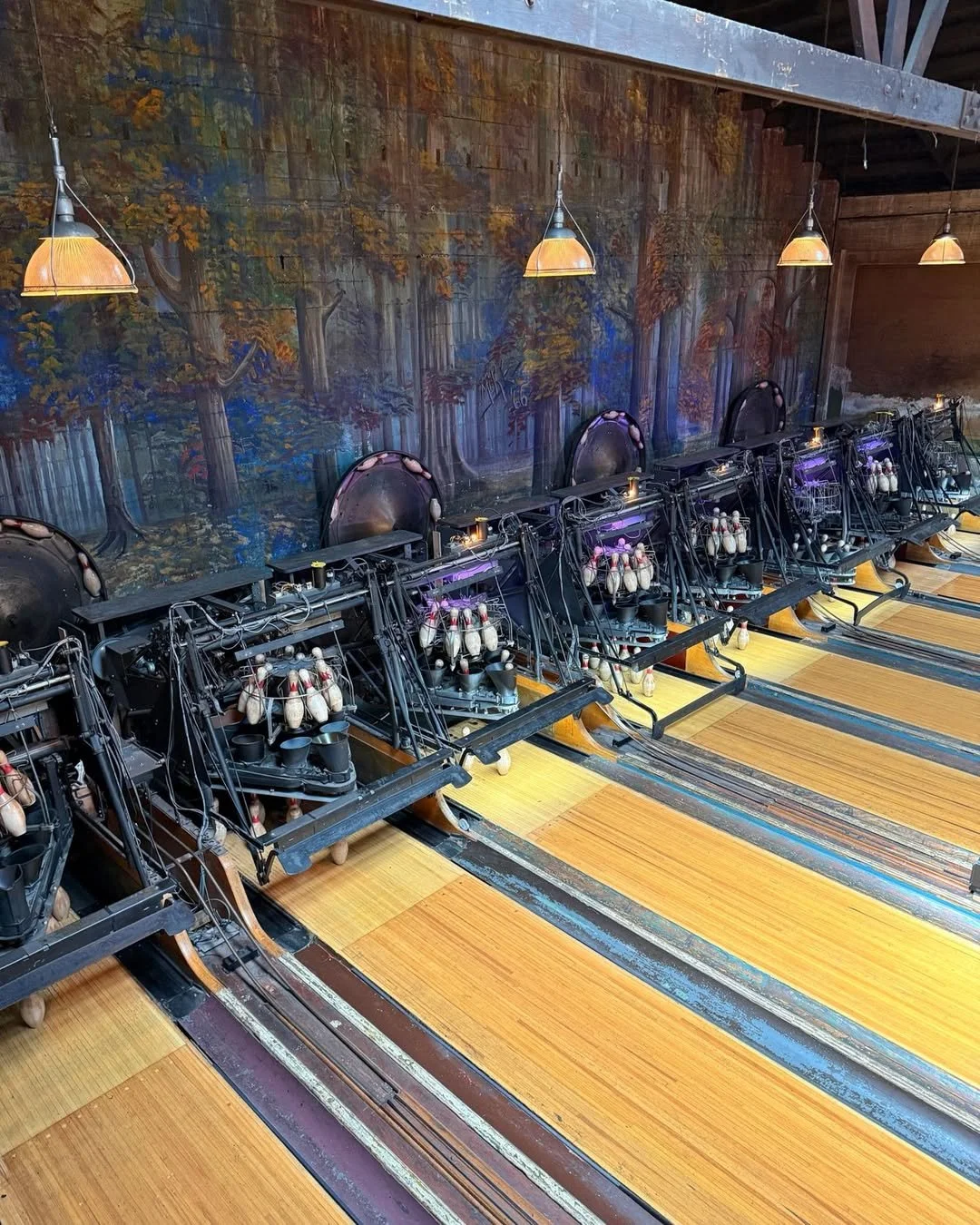
Wooden lanes, built-in seating, period lighting, and clean and consistent geometric forms reflected mid-century design principles.
The layout supported both bowlers and spectators. You could play, watch, react, talk, drink, and still feel part of the experience.
Preserved historic classic bowling alleys still attract people who value places with history and character.
Music Helped Set the Tone of the Classic Bowling Experience
Silence can feel intense. Music filled the gaps between turns, keeping the space active and social. Some historic bowling spots even featured live music, turning them into full entertainment hubs. These places doubled as entertainment hubs, blending with nightlife and memorable social experiences.
At Highland Park Bowl, the live music permit dates back to 1933, showing how bowling and music have long been connected.
The rhythm of the ball, the crash of pins, and the background music created energy without overwhelming the room. The game became a shared activity that kept everyone engaged. The real goal was to spend time together, unwind, spark meaningful conversations, and simply enjoy the night.
League Culture Made Bowling Alleys Community Anchors
In the 1950s, league culture made bowling a regular commitment. People returned weekly, turning the 50s bowling alley into a consistent part of social life.
Rituals, Etiquette, and the Social Code of the Lanes
Waiting turns and reacting to others created a steady flow
Simple etiquette kept the space calm, even when busy
Shared habits made the experience feel connected
What kept people coming back wasn’t just the game. It was the company, the laughs, and the time spent together.
The Gear Was Functional, Distinctive, and Part of the Aesthetic
Step into a 1950s bowling alley, and the gear stood out: shoes, balls, bags, and score sheets all matched the space. Every little detail felt instantly connected to the venue.
People wore team shirts and carried matching gear, creating a shared identity. Today, that aesthetic still connects past and present. Vintage equipment is valued not just for play, but for craftsmanship and nostalgia.
Visiting Highland Park Bowl? Take a piece of that identity with you through thoughtfully designed merchandise.
Why Preservation Matters in Historic Bowling Alleys
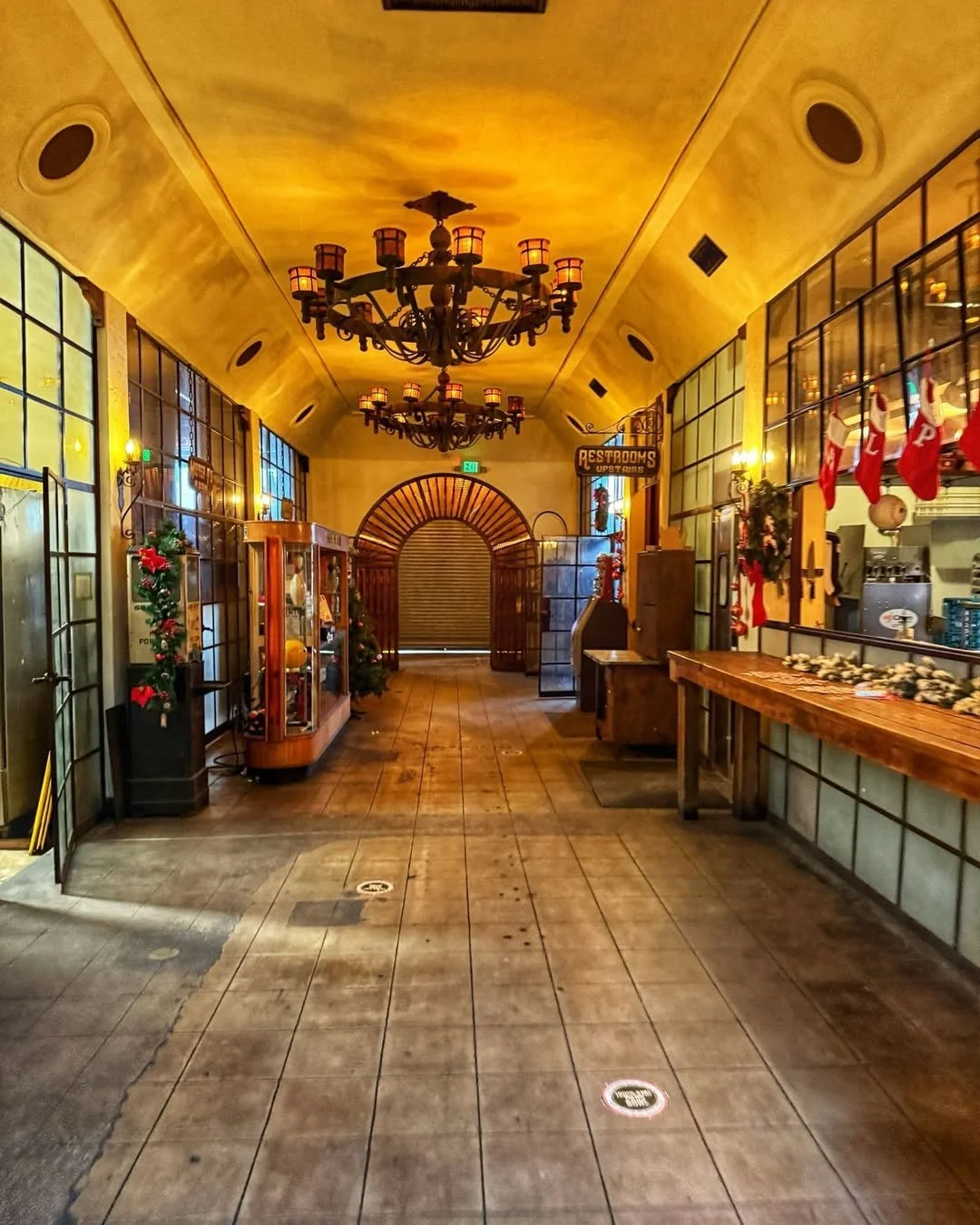
Preservation keeps the heritage real. You don’t have to imagine it. The architecture, the lanes, and the interiors are still there.
Highland Park Bowl originally opened in 1927, and was later restored to reveal its original facade, ceilings, and details after years of modifications.
A Simple Preservation Checklist Readers Can Notice
Original architecture and facade reflect the building's design.
Wooden lanes and authentic materials indicate preserved gameplay structure.
Vintage signage and fonts bring back the mid-century era vibe.
Restored visual elements rather than trendy decorative items.
The historic 50s bowling alley continues to operate today while still carrying stories from the past.
What Modern Readers Still Find Appealing About 1950s Bowling Alleys
The appeal of a 1950s bowling alley today is not just nostalgia. It is the clarity of design, familiar rhythm, and ease of interaction.
You can bowl, watch, talk, eat, sip, or simply take in the space. The structure feels intuitive—you don’t have to figure it out.
Unlike generic entertainment spaces, a vintage bowling alley keeps its distinct character. The room has its own structure, and you notice it without even trying.
Why the Iconic 1950s Bowling Alley Still Matters
The 1950s bowling alley wasn’t defined by one feature. It was the combination of design, music, rituals, and people.
People today don’t walk into vintage bowling alleys just to play. They come for the history, the character, and the feeling the place carries. Some places still carry that legacy forward. Highland Park Bowl is one of them.
Look closer next time you visit a historic bowling alley. That is where the story lives.
Visit Highland Park Bowl and experience the 1950s bowling vibe with every corner telling a story.
FAQs
What makes a 50s bowling alley different from a modern bowling center?
A 50s bowling alley focuses on wood lanes, simple design, and league culture. Modern centers focus on automation and speed.
Were bowling leagues really a big part of the 1950s?
Yes. Leagues drove bowling’s popularity through weekly, team-based play.
What kinds of gear were common in antique bowling culture?
Shoes, house balls, team shirts, score sheets, and bowling bags were common in antique bowling culture.
Why do preserved vintage bowling alleys still matter today?
The preserved vintage alley shows how bowling looked, felt, and worked in the past while still functioning today.